Friday, September 23, 2011

How National Mesothelioma Day inspires litigators to fight harder for the victims

Comfort can be taken this Mesothelioma Awareness Day 2011 in the fact that many victims of mesothelioma – or their survivors – have received well-deserved compensation from those who are to blame.

Not all victims have been so compensated. But many.

Of course, were it not for the tireless efforts of personal injury law firms like Weitz & Luxenberg to see justice done on behalf of mesothelioma victims, perhaps few if any of them would see so much as a penny.

We’re proud to share with other observers of Mesothelioma Day the news that our New York-based firm has won millions of dollars in verdicts and settlements for mesothelioma victims.

Victims whose cases we win use their awards in many different ways. Most commonly, the money pays for medical bills. As victims and their families know only too well, treatment costs pile up fast, and they pile up high – bills typically range from $150,000 to in excess of $1 million.

Not infrequently are victims in the position of having to pay these costs on their own because they lack insurance coverage. Or, if they do have coverage, the insurer pays only part of the costs (either because of policy limitations or payout caps that have been reached).

In any event, paying on their own usually drives victims to financial ruin – thus is compensation won through litigation an invaluable benefit.

Also, money won for victims by way of verdict or settlement is used in some instances to make up for lost wages and lost future income. Mesothelioma leaves its victims incapable of working, so most become jobless soon after being diagnosed with the horrific condition. And since mesothelioma is almost always fatal, victims usually die before their productive years reach a natural end. Cash awards serve to replenish what the victim and his or her survivors lose financially.

It’s the job of the experienced personal injury law firm with a focus on mesothelioma cases to give clients the most vigorous representation possible. Mesothelioma Day 2011 provides us at Weitz & Luxenberg a vibrant reminder of why we serve.

Friday, August 19, 2011

Reflexology involves massaging the nerve endings in the foot, of which there are about 7000 all leading to a specific part of the body.
This therapy was developed in 2300 B.C. and has been used around the world. It takes about 30-60 minutes to perform. It can help you relax which can be very helpful to mesothelioma, asbestos lung cancer and asbestosis patients.


Homeopathy Treatment

Homeopathy is an unusual, yet effective cure for the symptoms of a disease.
A patient is given a herb or plant that mimics the effects of their disease, which can trick the body into fighting it off. It’s like a vaccine except you don’t necessarily need the permission of a medical professional.

Homeopathy can be used in less severe conditions such as colds.
If a patient has a cold they are given red onion skin to make their nose run and eyes water( the typical symptoms of a cold).

Lymph Drainage Therapy

Lymph Drainage Therapy is used to combat Lymphedema, a condition where swelling occurs in the limbs following chemotherapy or radiation therapy. It involves the use of massage and is typically administered 3 to 5 times a week.

Lymphedema occurs when excess lymphatic fluid is retained by the body’s lymph nodes (in the arms and legs). For cancer patients, the removal of lymph nodes during cancer surgery may change the way the lymphatic fluid flows; hence, it is often more difficult for the fluid to flow properly and build-up occurs.


Wednesday, August 17, 2011

Nutrition and Diet for Mesothelioma Alternative Medicine


A nutrition and diet meal plan is an important thing to the mesothelioma patients. But what are the main elements that give nutrition? Based on the simple general guidelines, protein, fats and carbohydrates, vitamins and minerals, and also water are the various nutrients in diet. They are simple and common, but they're important!

Protein, it helps ensure growth, repairs body tissues damaged by surgery, chemotherapy and/or radiation. In addition, it helps to maintain a healthy immune system. Specially for mesothelioma patients, they need additional protein during and after aggressive treatments.

Fats and carbohydrates, it helps supply the body with the majority of the daily caloric intake. But, it is not the same amount for every patients.

Vitamins and minerals, it helps to ensure growth and development, and allowing the body to use the calories from the foods that eaten.

And water, it is an essential for everything on earth. Without water, everything will becomes dehydrated. For normal people, eight glasses of water each day will be the essential. However, there might be differences to the mesothelioma patients. They must to have more water absorbing each day since they have to have their disease treatment at various stages.


Source: http://www.mesothelioma-aid.org/nutrition.htm


Tuesday, August 16, 2011

Nature is the Best Medicine


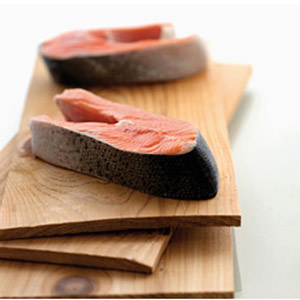
Omega-3: It is a fatty acid that known to reduce the size of tumors and enhance the positive effects of the chemotherapy while reducing its harmful side effects. Omega-3 fatty acids can be found in most fish.
Green Tea: This is also a natural treatment for mesothelioma cancer and other cancers. A compound in green tea, inhibits an enzyme required for cancer cell growth and can kill cultured cancer cells with no ill effect on healthy cells. Drinking more than four cups of green tea a day could provide enough of the active compound to slow and prevent the growth of cancer cells, including mesothelioma cancer.


Garlic: Many studies showed that the ingredient in garlic, allyl sulfur, is effective in inhibiting or preventing cancer development, including mesothelioma cancer.

Friday, August 12, 2011

Your T-cells: the key to curing mesothelioma?

(Reprinted with permission from Mesothelioma Hope)

T-cell killing a cancer cell. (Image credit: University of New Mexico)


The most effective weapon against mesothelioma may be inside us—specifically, in our T-cells. Mesothelioma treatment often relies on chemotherapy and radiation, both of which produce unpleasant side effects, and some mesothelioma patients are too advanced in terms of the cancer or in terms of age to withstand an invasive surgery.

"Researchers have kept cancer at bay in three patients with chronic lymphocytic leukemia by genetically engineering the patients’ own T-cells to recognize leukemia cell antigens, then kill the cancer cells,” Tia Ghose wrote in yesterday’s The Scientist. 

In two studies published in this week’s New England Journal of Medicine andScience Translational Medicine, the focus is on the T-cells’ stunning success against late-stage leukemia. Two of the patients in the study went into a complete remission, and the third had a partial response.

Remission: possible!

The treatment could potentially be developed to fight not just leukemia, but other cancers as well. Kerry Sheridan wrote for the AFP yesterday

While it remains unknown how long the treatment may keep cancer at bay, researchers were excited to see that "memory" T-cells remained months after the cancer disappeared, indicating the body is retaining some protection. 
The next step is to try the technique in two children and at least 13 adults with CD19-positive leukemia. 
They are also looking to determine whether the approach could target non-Hodgkin's lymphoma and acute lymphocytic leukemia, mesothelioma cancer cells, ovarian and pancreatic cancer cells.

By using the body’s own T-cells, mesothelioma treatment based off of the positive leukemia results could mean hope for meso patients who are not good candidates for surgery, or are looking for a treatment that does not cause the severe side effects anyone who has been through chemo or radiation knows all too well.

This is fantastic. Although study co-author David Porter, an oncologist at UPenn, said it is "still too early to say [the patients] have been cured," I'm celebrating anyway. 

And as one patient said in a statement to the press: "I'm healthy and still in remission. I know this may not be a permanent condition, but I decided to declare victory."